1. Lincoln refused to compromise on freeing slaves before the south was reintroduced to the union. Thaddeus was also resolute that slaves should be freed though he cared not whether it happened before or after the south was reintroduced to the union except that they would not be able to block or undo the amendment. They are willing to compromise on the subject of "coloured" people having equality under the law.
2. In many scenes Lincoln speaks of his hatred for slavery but does not refer to the end of slavery as necessary until later in the negotiations with the south. This is clearly shown in the progression of Lincolns three letters before and during his presidency that parallels the development of his stance on slavery in the movie.
3. incoln regards the 13th amendment as necessary because it puts an end to slavery, the issue at the heart of the civil war, and an issue that if left unresolved when the south rejoined the union would only lead to later conflict.
4. While the souths position on slavery — the backbone of their economy — remains uncomplicated by the movie the norths position is complicated in that those who are in favour of slavery are so for many reasons mostly rooted in racial or white supremacist values but ranging to personal grudges held against all blacks.
5. While property rights were an argument before the war, the main reason those who resisted the end of slavery — as stated in answer 4 — did so of their own supremacist or racially unequal viewpoints.

2. In many scenes Lincoln speaks of his hatred for slavery but does not refer to the end of slavery as necessary until later in the negotiations with the south. This is clearly shown in the progression of Lincolns three letters before and during his presidency that parallels the development of his stance on slavery in the movie.
3. incoln regards the 13th amendment as necessary because it puts an end to slavery, the issue at the heart of the civil war, and an issue that if left unresolved when the south rejoined the union would only lead to later conflict.
4. While the souths position on slavery — the backbone of their economy — remains uncomplicated by the movie the norths position is complicated in that those who are in favour of slavery are so for many reasons mostly rooted in racial or white supremacist values but ranging to personal grudges held against all blacks.
5. While property rights were an argument before the war, the main reason those who resisted the end of slavery — as stated in answer 4 — did so of their own supremacist or racially unequal viewpoints.
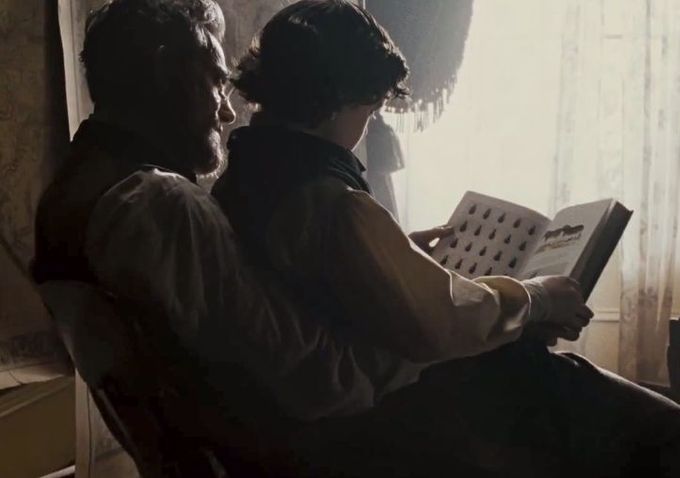
This picture, along with the vast amount of time spent in offices during the film, goes to show that each person had their own personal struggles and battles to fight, and that the representatives "battling" on the house floor were so far removed from the actual fighting that the nature of their battle was not one of life or death as the civil war was for so many, but one of personal beliefs and political ideals that would affect not the war itself but rather the time that was to follow the war.
Comments
Post a Comment